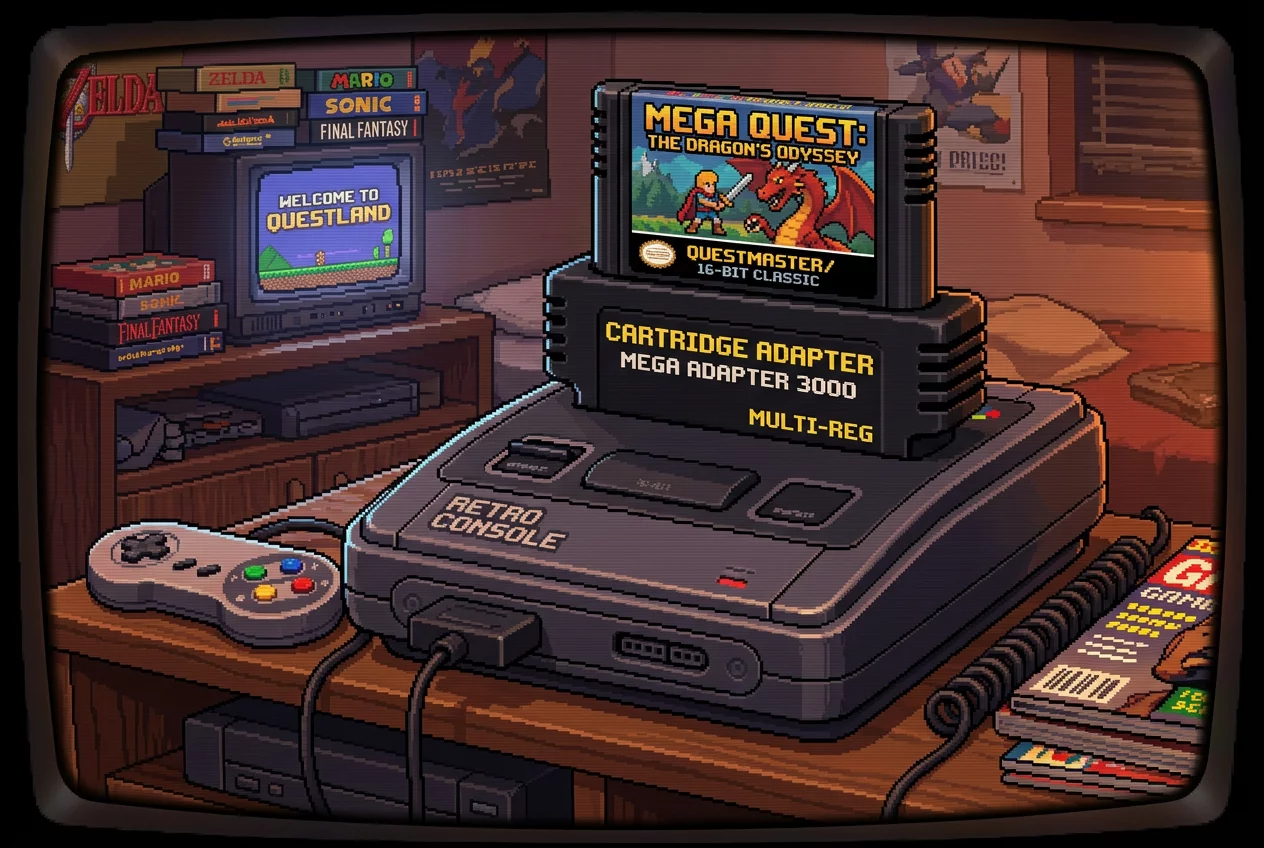
During the 90s, gaming was a fragmented landscape of regional lockouts and incompatible pin counts. Cartridge adapters emerged as the essential bridge, transforming local consoles into universal gaming machines.
The Battle of Pins: 60 vs 72
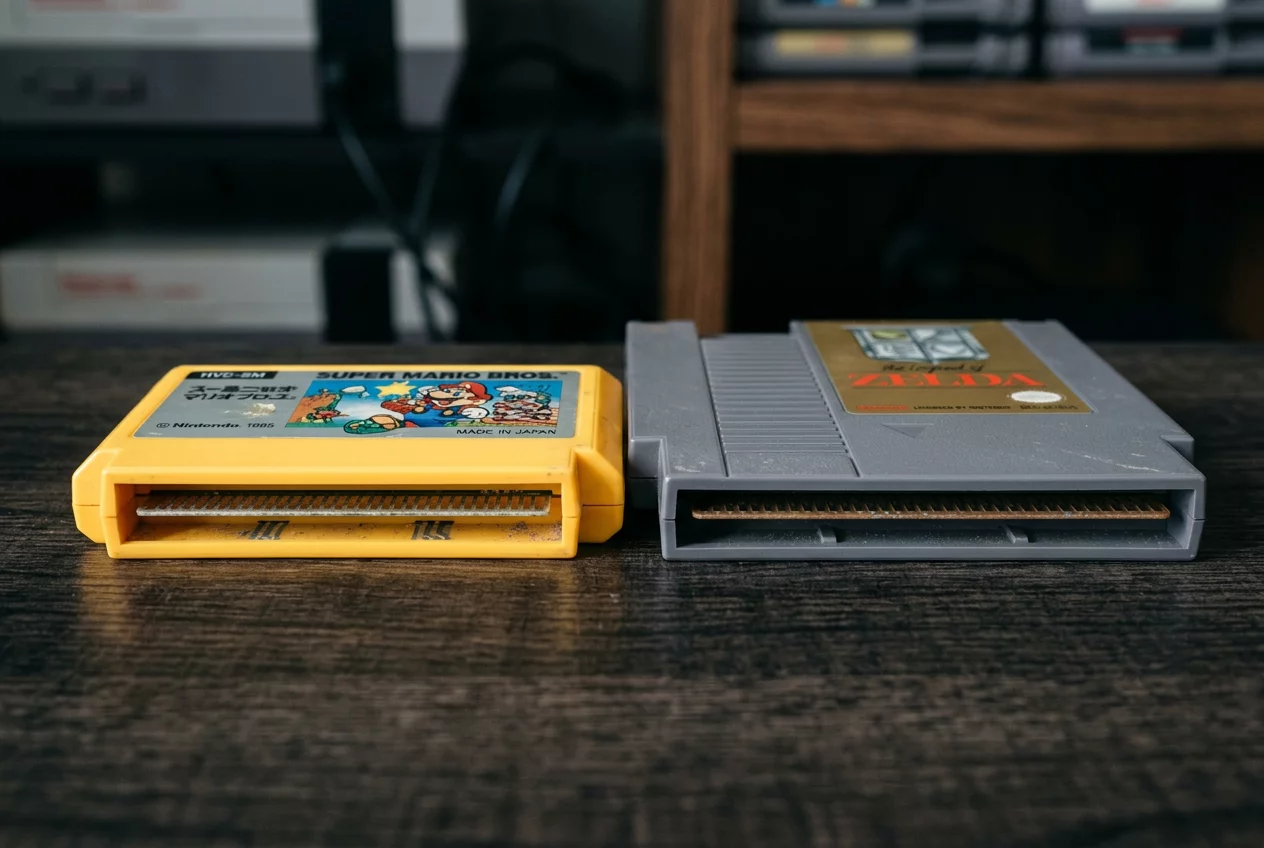
Most Dendy consoles used the 60-pin format standard in Japan, while the NES in the West used a bulkier 72-pin connector. This physical barrier prevented gamers from swapping titles across oceans. Adapters acted as a pass-through, rerouting signals so the hardware could read data from "foreign" boards without modification. It was a simple yet effective way to bypass the artificial walls built by manufacturers.
Converters in the Wild
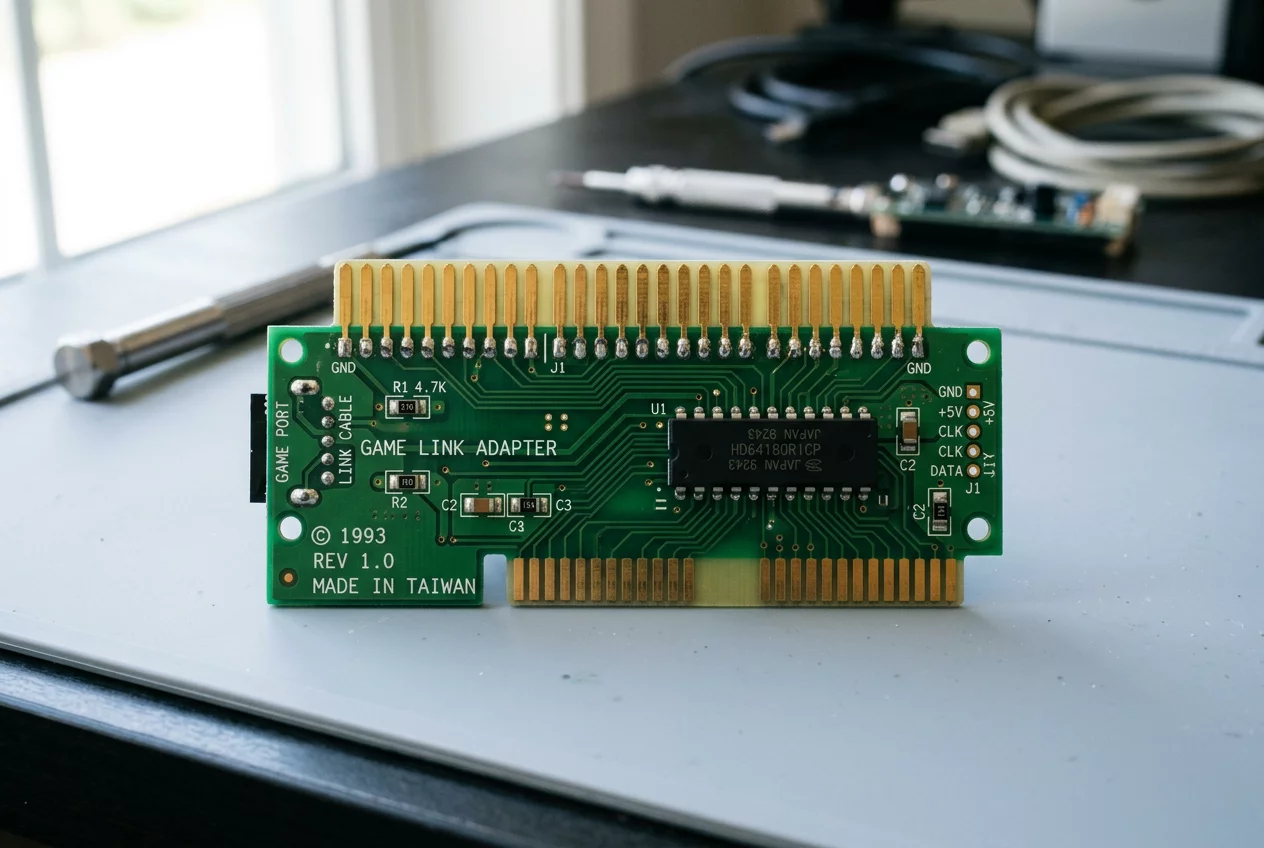
Many early Dendy cartridges were actually NES boards hidden inside a conversion shell. If you opened a heavy bootleg cart, you might find a 72-to-60 pin adapter soldered directly to the chip. This ingenious recycling allowed pirate manufacturers to dump Western stock into the Eastern European market. These hidden gems are now highly sought after by collectors who want the original adapter hardware tucked inside.
Regional Lockout and the CIC Chip
Beyond physical pins, the NES featured a lockout chip known as the CIC. High-quality adapters often included a way to bypass this check, either by using a "donor" cartridge or employing a specialized circuit to trick the console into booting the game. Without these devices, the golden era of importing games would have been significantly more difficult for the average gamer.
Community Reviews
ImportGamer
2026-06-05A must-have for playing foreign games. I used one to run Famicom games on my Western NES.
Leave a Review