The Rise of Dendy: An 8-Bit Revolution
In the early 1990s, while the West was transitioning from the NES to the Super Nintendo, a gray box with a red-and-white elephant logo quietly conquered a territory that gaming giants had overlooked. This is the story of Dendy.
The Steepler Phenomenon
The Dendy was more than just a console; it was a cultural bridge. Launched by the company Steepler in late 1992, it was a hardware clone of the Nintendo Entertainment System (NES). At a time when official consoles were economically out of reach for the average family, Dendy provided an accessible gateway to the world of interactive entertainment. Its arrival marked a turning point in how an entire generation would experience digital play, transforming living rooms into arcades and siblings into rivals.
Steepler, a relatively unknown firm at the time, recognized a massive gap in the market. While Western gamers enjoyed the official Nintendo ecosystem with its robust licensing and quality control, post-Soviet territories had no official distribution channel. The genius of Dendy was not merely in cloning the hardware, but in building an entire cultural ecosystem around it. Localized advertisements, Russian-language packaging, and aggressive television campaigns created a brand identity that felt domestic rather than imported.
"Dendy – everyone plays it!" — The slogan that echoed across millions of television screens, turning a simple gray box into a household name.
The Era of Yellow Cartridges
Unlike the gray cartridges found in the US, the Dendy era was defined by bright yellow plastic shells. These cartridges often contained "999,999 in 1" games, featuring classics like Contra, Duck Hunt, and Battle City (affectionately known as 'Tanks'). The mystery of what was actually on a cartridge before you plugged it in was part of the magic. Each yellow shell felt like a treasure chest waiting to be opened, promising countless hours of discovery.
The bootleg nature of these cartridges meant that game collections were unpredictable. One cartridge might contain a perfect copy of Super Mario Bros., while another would be filled with obscure hacks and regional variants that never saw an official release. This chaotic library became a defining feature of the Dendy experience. Players learned to navigate glitched menus, decipher broken English title screens, and embrace the imperfections that came with unauthorized distribution.
A Social Revolution in Living Rooms
Dendy did not simply introduce video games; it introduced a new social ritual. Friday evenings became sacred family time, with parents and children taking turns at the rectangular controller. Neighborhood friendships were forged through shared high scores, and schoolyards buzzed with strategies for defeating difficult bosses. The console became a shared language that transcended age and background.
The legacy of Dendy extends far beyond nostalgia. It cultivated a generation of gamers who would later become developers, journalists, and collectors. The unofficial nature of its distribution taught fans to be resourceful, creative, and passionate. Even today, the gray box with the elephant logo remains a powerful symbol of childhood wonder and the democratization of digital entertainment.
The Legacy in Your Pocket
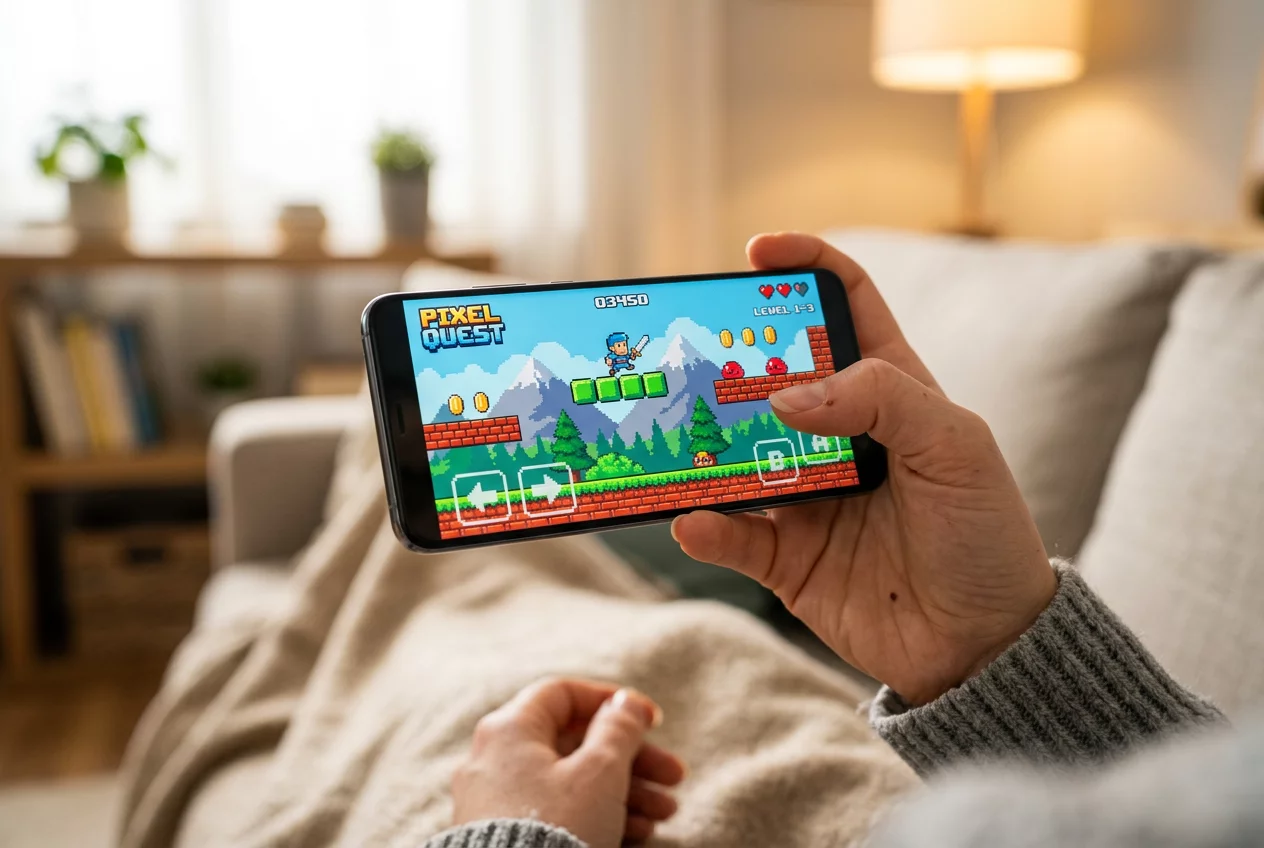
Today, the spirit of Dendy lives on far beyond the original hardware. While the consoles themselves have become prized collectors' items, the games that defined a generation are more accessible than ever. Modern mobile technology has allowed these 8-bit masterpieces to find a second life.
From official collections to sophisticated emulation, the pixelated adventures of the 90s are now perfectly adapted for the high-resolution screens of modern smartphones. Playing Super Mario Bros. on a capacitive touch screen might feel different from the classic rectangular controller, but the challenge remains just as authentic.
- Perfect pixel-scaling on modern OLED displays
- Save states: the 'pause' button we never had
- Global leaderboards for retro high scores
Interactive Milestones
The Steepler Launch
The first Dendy Classic console hits the shelves in December. Priced strategically, it becomes an instant sensation, selling out within days of the first television advertisement.
The Golden Era
The Dendy Junior is released, a more affordable model that cements the brand's dominance. The TV show "Dendy: The New Reality" begins broadcasting, hosted by Sergey Suponev.
Peak Saturation
Over 2 million Dendy units are estimated to be in homes across the region. Steepler signs an official agreement with Nintendo to distribute the SNES and Game Boy.
The Digital Renaissance
Retro gaming experiences are now integrated into modern digital lifestyles. The HyperCrownKingdom community continues to preserve these 8-bit memories through codes and hardware restoration.