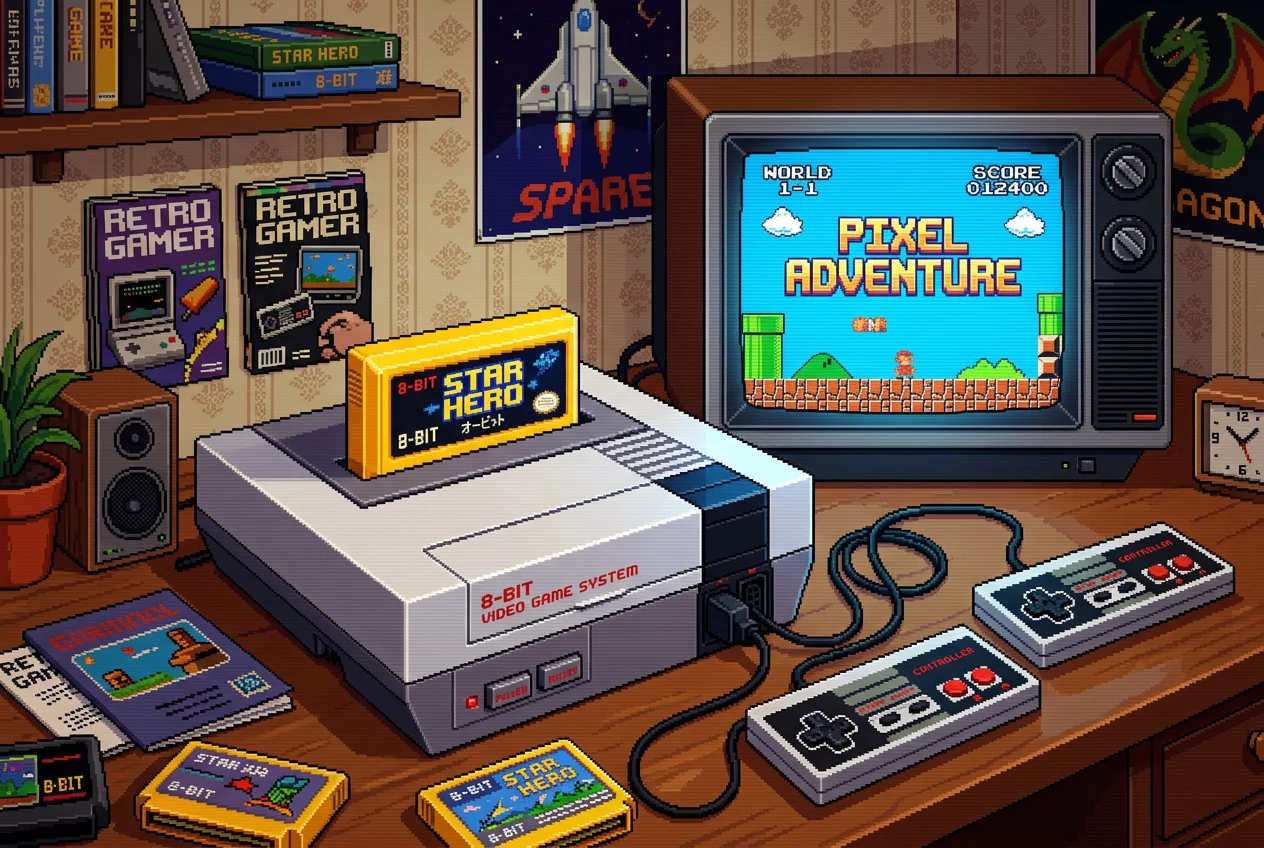
Long before high-definition graphics and cloud saves, the 8-bit era relied on pure engineering ingenuity. Understanding the hardware allows us to appreciate how developers squeezed every ounce of power out of these gray boxes.
The Heart of the Machine
The Dendy was the crown jewel of gaming across many regions in the 90s. At its core, the console was powered by a MOS 6502-based processor, a chip that was as efficient as it was versatile. This 8-bit unit managed all game logic, player inputs, and basic memory management. Despite having very little RAM, programmers used clever bank-switching techniques to create expansive worlds.
Audio and Visual Processing
Graphics were handled by the Picture Processing Unit (PPU), a specialized chip that generated the iconic low-resolution, vibrant visuals we love today. It worked in tandem with the Audio Processing Unit (APU), which produced the distinct pulse-wave and triangle-wave sounds that defined the chiptune genre. Finding detailed technical schematics online has become a hobby for many modern modders who want to preserve these machines for future generations.
The 60-Pin Cartridge Slot
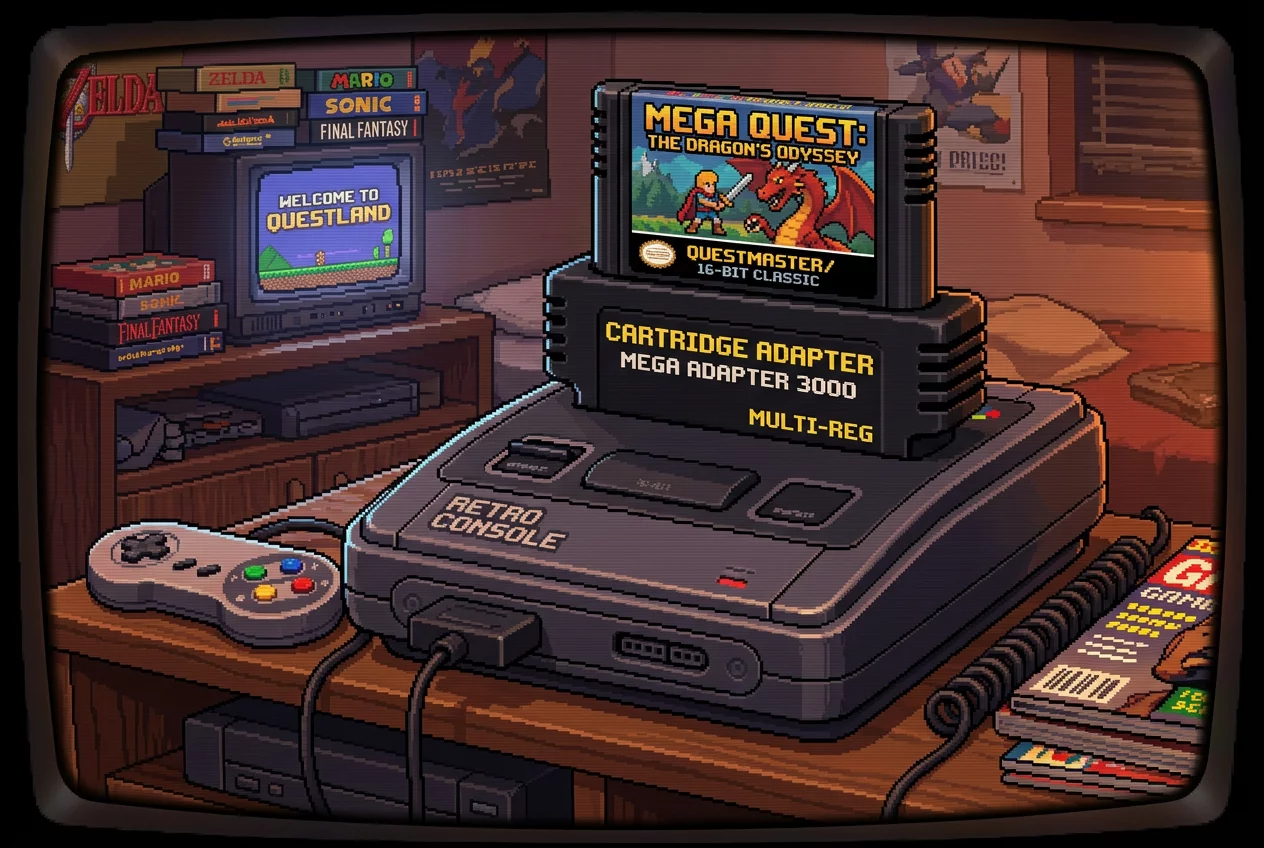
The most recognizable feature of the console was the top-loading cartridge slot. This connection acted as an extension of the system bus, allowing game developers to include their own custom memory mappers or sound chips directly on the cartridge. This is why some games looked and sounded significantly better than others—the hardware was essentially being upgraded by the media itself.
Input and Output Legacy
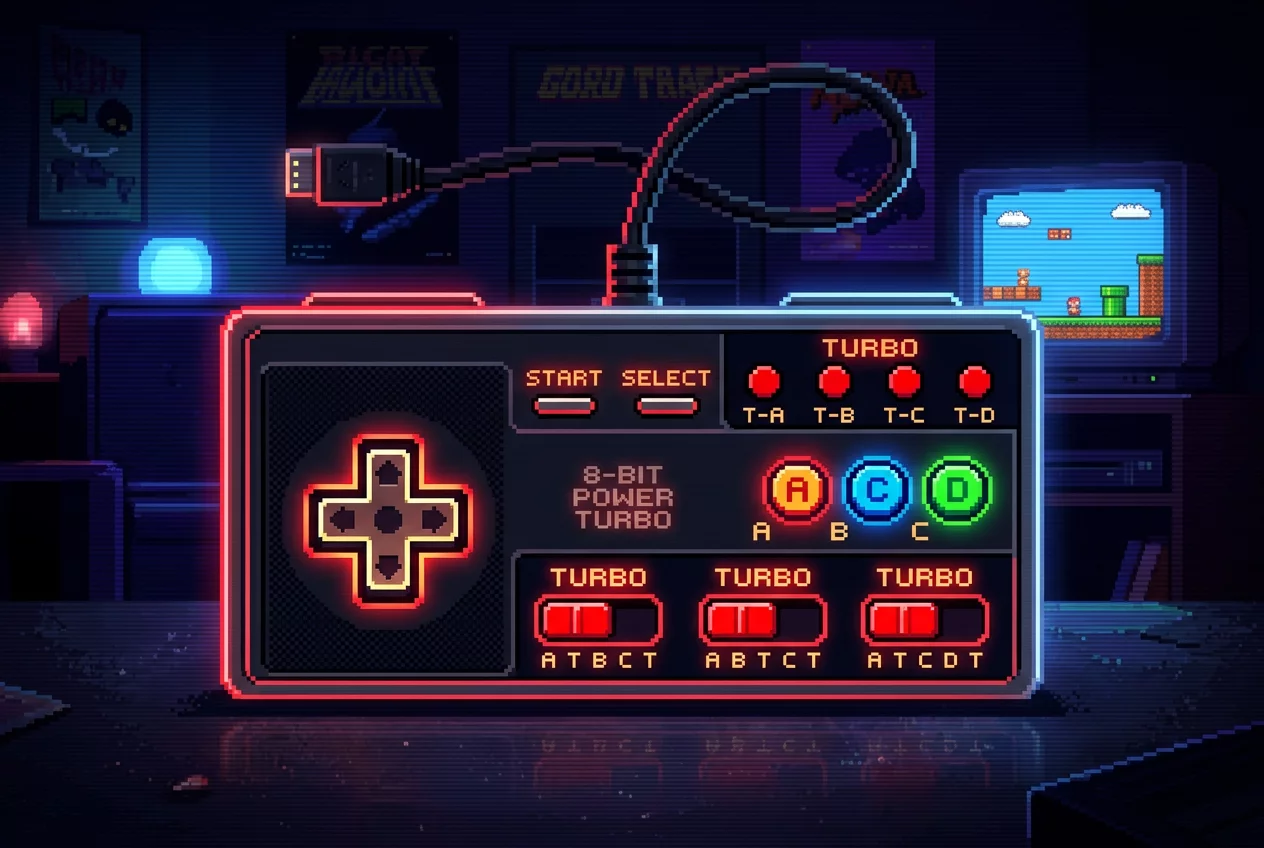
From the hardwired controllers to the RF modulator that connected the console to a CRT television, every component was designed for durability and accessibility. The proprietary 15-pin expansion port on the front also allowed for various peripherals, including the famous light gun zapper and specialized turbo controllers, making it a truly modular entertainment system for its time.

Community Reviews
HardwareGeek
April 12, 2026The build quality was amazing. I remember taking mine apart just to see how the cartridge connector worked. It's a marvel of simple yet effective electronics.
Leave a Review